
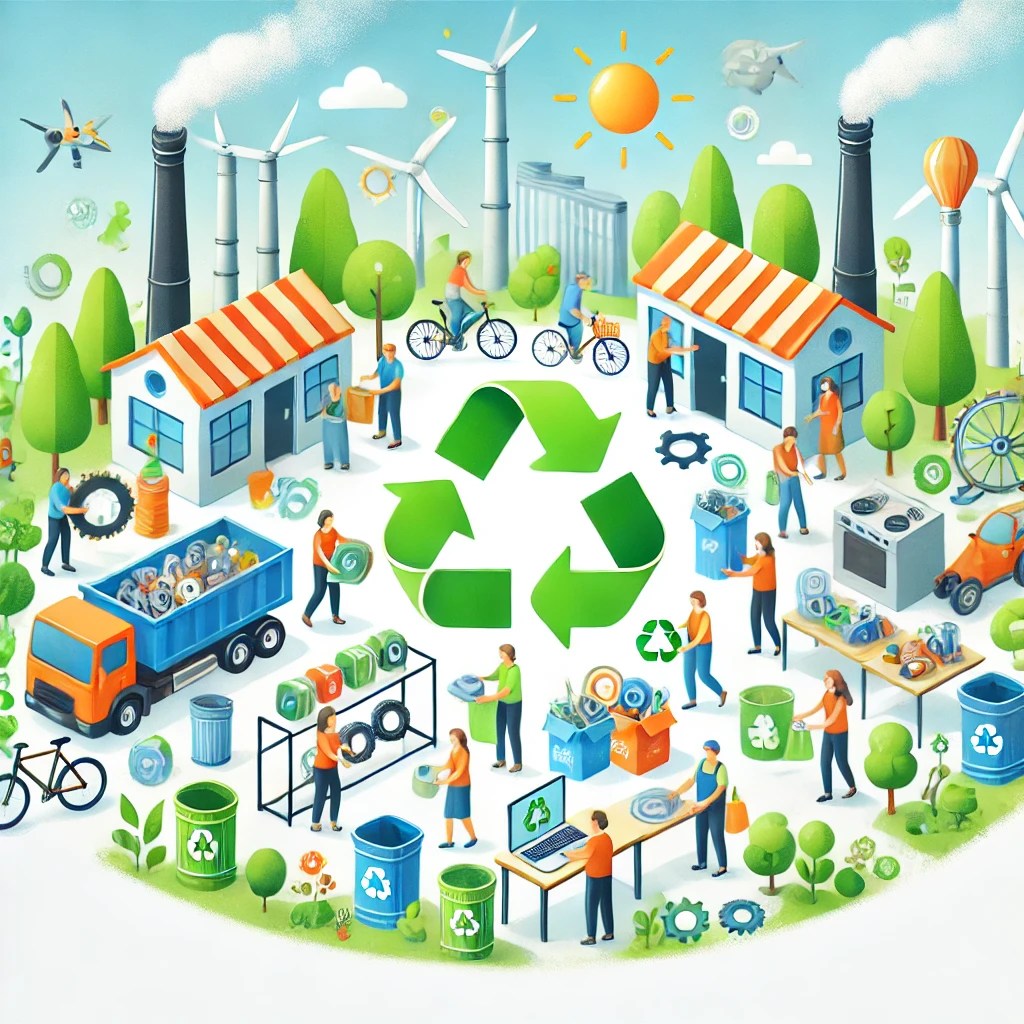
Imagine a world where the things you use every day are part of a cycle that benefits you, your community, and the planet. This vision—where products are designed to last, to be reused, and to reduce waste—requires more than new systems. It demands a shift in mindset, both for businesses and for consumers, to move away from overconsumption and towards a culture of responsibility.
What Is Reverse Logistics and the Circular Economy?
At its core, reverse logistics ensures that products and materials find new life after use, whether through recycling, repurposing, or proper disposal. The circular economy builds on this by designing entire systems where waste is minimized, and resources flow efficiently. Together, they redefine how we source, produce, distribute, consume, and dispose of goods.
Transforming Mindsets: The Key to Change
For the circular economy to succeed, businesses and consumers alike must rethink their relationship with products. This means:
- Consumers: Shifting from a “buy-and-dispose” mindset to valuing durability, repairability, and sharing models.
- Businesses: Marketing less on consumption and more on sustainability, offering services like product take-backs, repairs, and recycling programs.
Marketing has a crucial role here: it needs to inspire consumers to embrace conscious choices, highlighting the personal and collective benefits of reducing waste.
Why It Matters to People
The circular economy isn’t just about systems; it’s about improving lives. By reducing waste and resource extraction, it creates cleaner communities, protects natural spaces, and fosters a sense of responsibility. For consumers, it offers better-quality products, cost savings over time, and a direct contribution to environmental well-being.
A Call for Action
The journey to a sustainable future starts with rethinking how we use what we have. Businesses must prioritize people in their strategies, designing systems that make participation easy and rewarding. Consumers must demand better—products that last, processes that respect the planet, and choices that leave a legacy of care.
Together, we can create a connected and regenerative world—one where people and the planet thrive in harmony.
#Sustainability #CircularEconomy #ReverseLogistics #SustainableLiving #WasteReduction #EnvironmentalResponsibility #EcoFriendly #MindsetShift #SustainableDevelopment #QualityOfLife

 Alaria Insights
Leave a comment